At an event in Parliament on 15th July, a panel of journalists spoke candidly about their experiences covering recent grave miscarriages of justice, and the challenges they face trying to cover wrongful convictions in the UK.
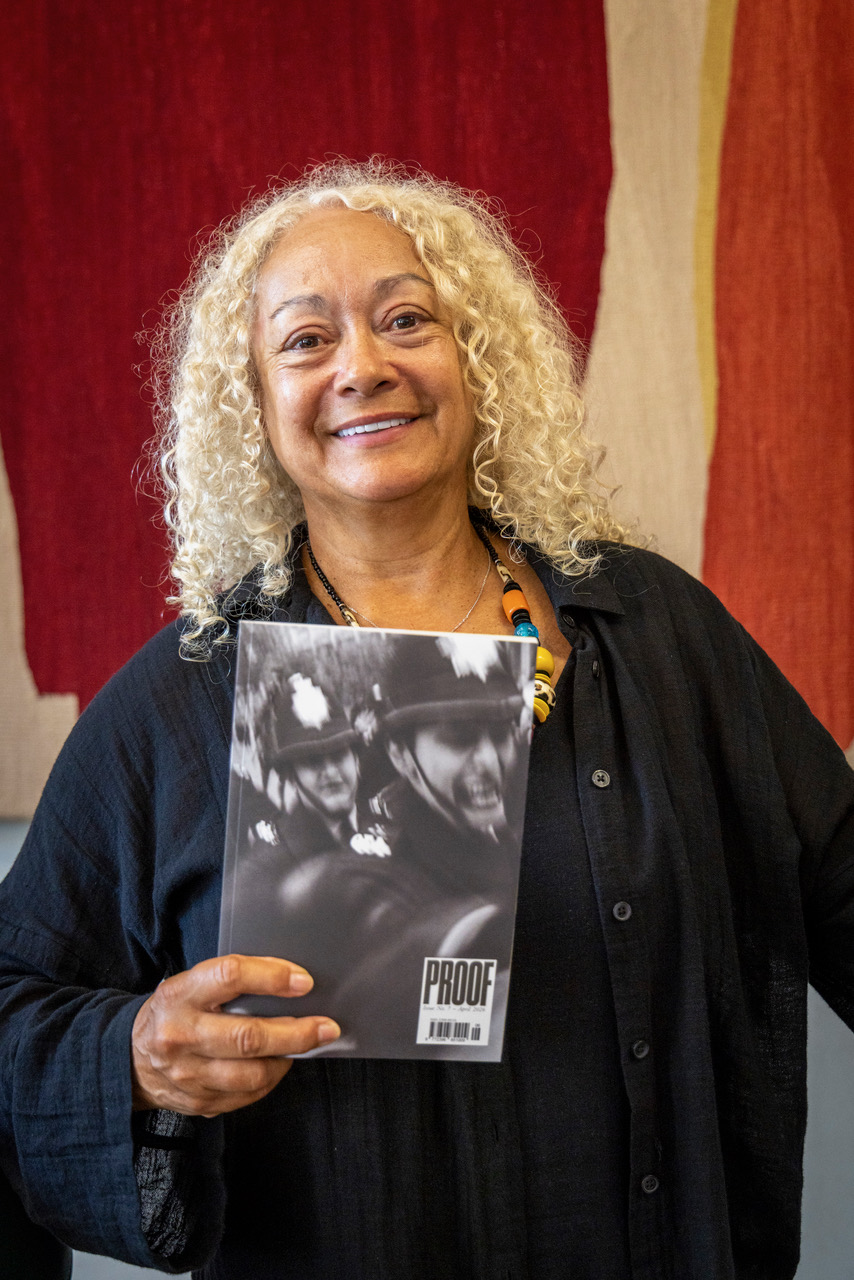
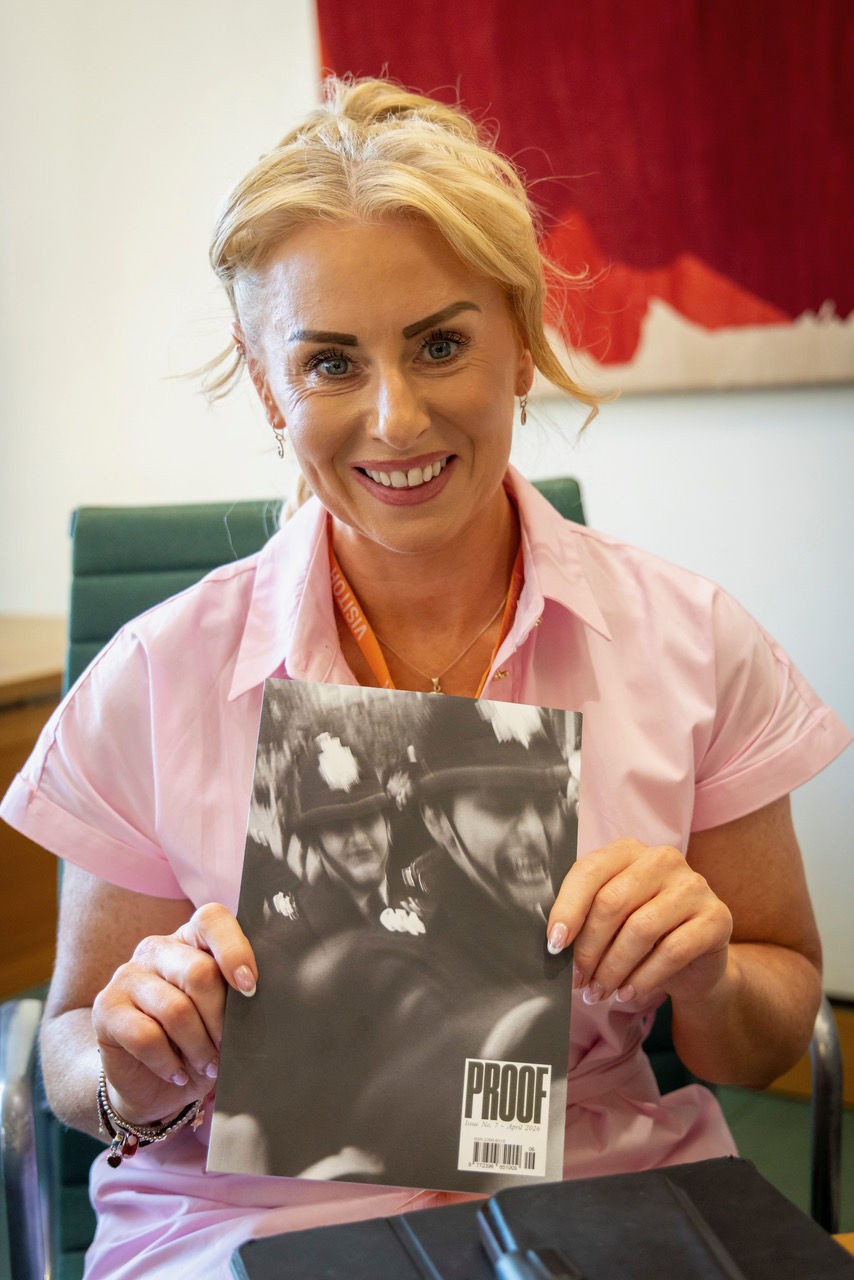
The event also marked the launch of the latest edition of PROOF magazine, supported by the Future Justice Project. The latest issue, Cover-ups, Jailhouse Snitches & Scapegoats, is available to buy now.
Kim Johnson MP, Chair of the All-Party Parliamentary Group on Miscarriages of Justice, introduced the event saying its ‘vital that the media reengages’ with miscarriages of justice, and highlighting that the justice system ‘never fixes itself’. ‘The history of our courts shows that behind the exposure of every major injustice has been a journalist, for example the work of Emily Dugan and Bob Woffinden on Andy Malkinson, Nick Wallis on the Post Office cases, and we remember Chris Mullins who joined the APPG for a meeting last year and spoke about his brilliant work exposing the rot that led to the wrongful conviction of the Birmingham Six.’
She added that as Chair of the parliamentary group ‘I want us to remember those prisoners and their families fighting for justice who are stuck in a criminal appeal system that has ground to a halt.’ For the first time last year, the number of cases that have been with the CCRC for more than two years topped 100, she said ‘those numbers have been growing exponentially year on year for the last five years.’
The panel was chaired by Steve Phelps who produced groundbreaking msicarriage of justice programmes Trial and Error and Rough Justice, and included the Guardian’s Simon Hattenstone, the BBC’s Bronagh Munro, investigative journalist John Sweeney, and documentary-maker Fran Roberston.
Each contributor spoke about cases they have covered, including those of Andy Malkinson, Omar Benguit, Lucy Letby, Jeremy Bamber and Kevin Nunn.
Fran Roberston told the audience in Portcullis House about the challenge of finding a channel to commission a documentary on Andy Malkinson’s fight for justice before he had overturned his conviction. By the time he stood, victorious, outside the Court of Appeal, Fran had hundreds of hours of footage, and the BBC finally commissioned a documentary about the case.
Simon Hattenstone addressed a key hurdle to covering miscarriage of justice cases – the lack of access of journalists to people in prison. He said in 30 years he has never been granted a legitimate prison visit to interview a potentially wrongfully convicted person, ‘you have to cheat the system to talk to people’. In recent months Jeremy Bamber has been banned from communicating with him by letter, and even with his campaign team, something Hattenstone is a direct reaction for the Ministry of Justice to his appearance on a New Yorker podcast about his conviction.
Bronagh Munro has created three films with BBC Panorama about the case of Omar Beguit, each one taking years to commission because of the reticence at the broadcaster in covering these ‘controversial’ subjects. She talked about the strain on Benguit’s family that this causes. Later in the evening, Mariam Hussain, whose brother Khobaib is serving a sentence in the same prison as Omar Benguit, described how prisoners had watched the Panorama documentary with admiration at the work that when into uncovering gravely concerning aspects of the conviction.
John Sweeney spoke about how he had created his podcast series about the potential wrongful conviction of Lucy Letby, essentially by working for free and losing money on the production after having paid a lawyer to verify each episode.
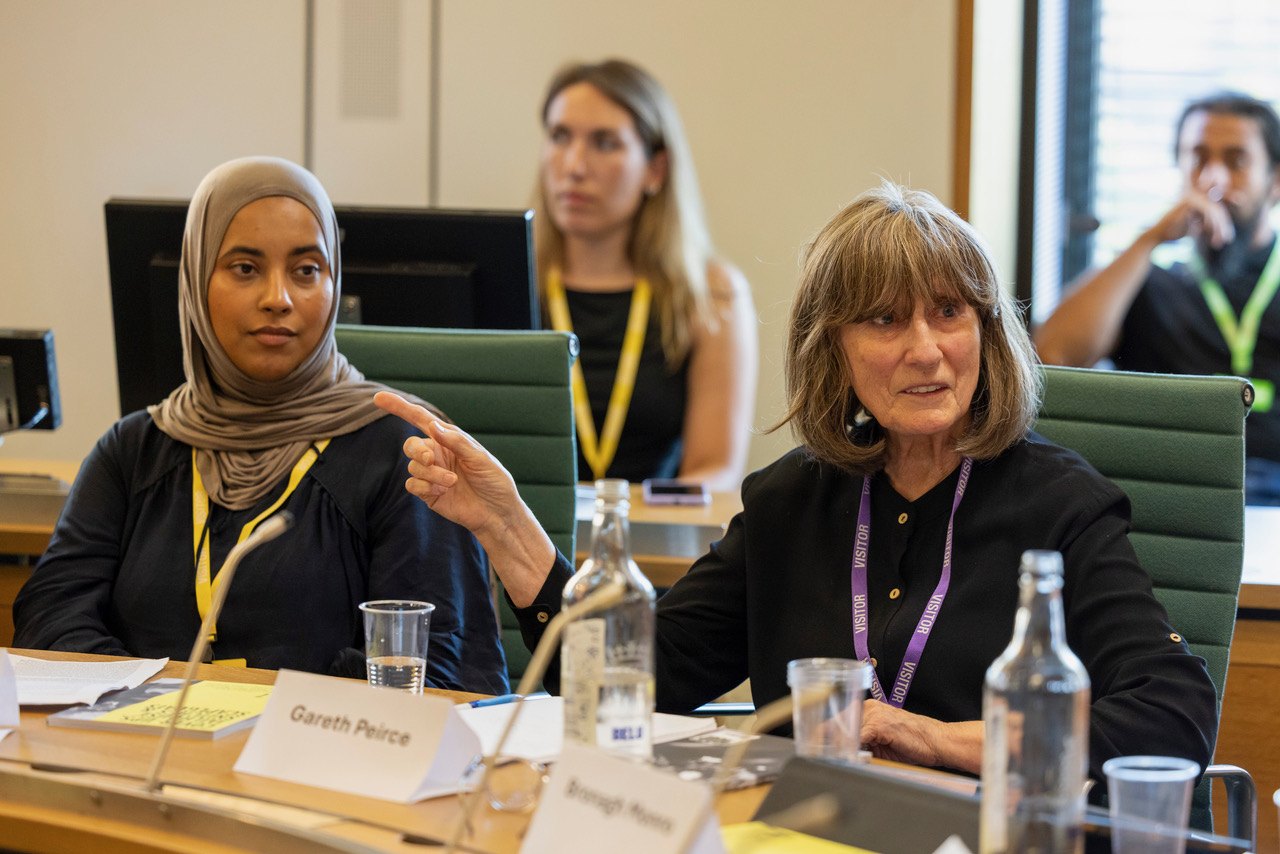
The meeting was closed by eminent human rights lawyer, Gareth Pierce, who spoke about her experience leveraging the media in cases she has undertaken throughout her career, and provided an update on the case of the Birmingham Four who this August have been in prison for 10 years. Mariam Hussain read out a letter from her brother in which he reflected on the anniversary, and his fight for justice over the past decade. The case has been with the Criminal Cases Review Commission, who have the power to send it back to the Court of Appeal, for the last two years.
Find out more about this fantastic event via The Justice Gap, PROOF launch: ‘Justice systems make mistakes – but there’s a failure of journalism to tell these stories’.
Buy your copy of PROOF magazine issue 7 here.